

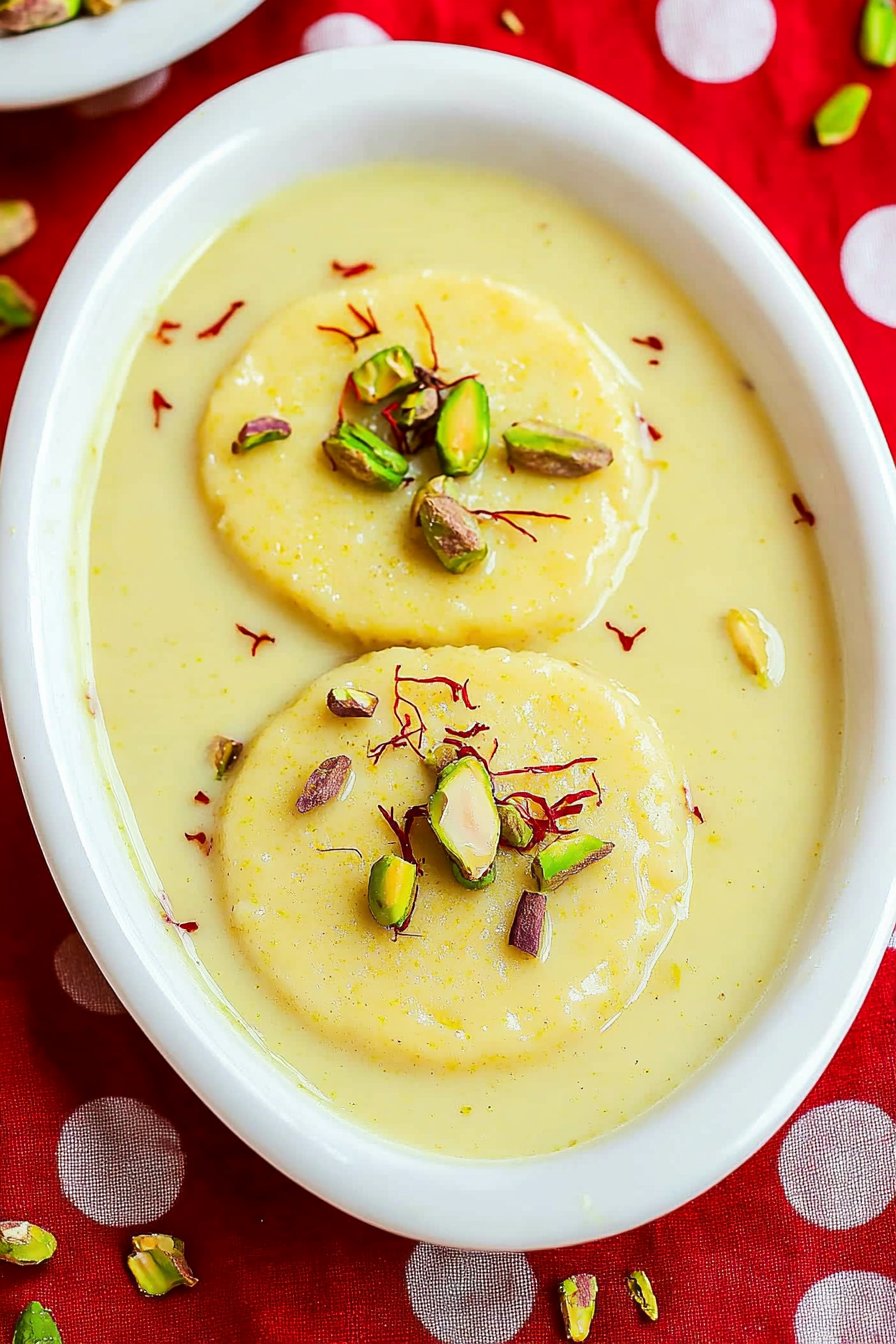
Why Rasmalai Is So Special
Rasmalai isn’t just something you eat.
It’s something you sink into.
Soft chenna discs. Cold, fragrant milk. A hint of saffron in the air. The kind of dessert that makes everyone slow down after the first bite.
This sweet has its roots in the eastern part of the Indian subcontinent. It’s closely related to rasgulla—but dressed up. Those spongy cheese cakes are soaked in thickened milk, known as rabri, turning something simple into something quietly luxurious.
What I love most about rasmalai is the contrast. It’s rich, but never heavy. Sweet, but not overpowering. Made with everyday ingredients, yet it feels special every single time.
This version is inspired by classic halwai-style rasmalai, but written for real home kitchens. No shortcuts. No fear. Just clear steps and a focus on why things work. Once you make it once, everything clicks. And suddenly, rasmalai doesn’t feel intimidating anymore. It feels peaceful. Almost meditative.
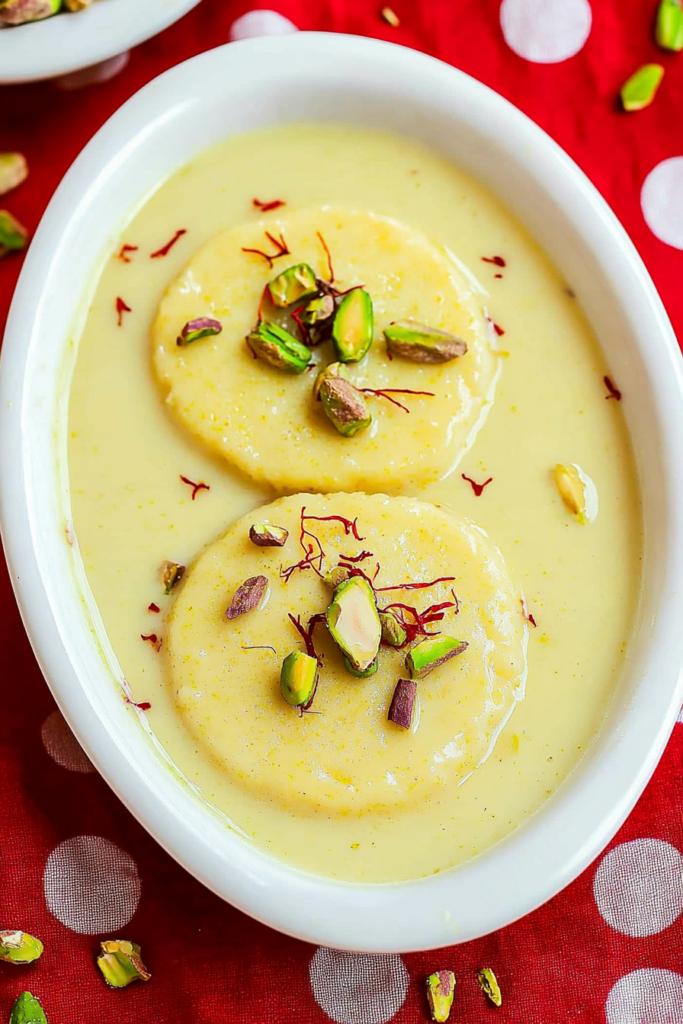
Recipe Overview
Time & Effort
This is not a rush job.
And honestly? That’s part of the charm.
The prep is quick. The cooking takes time. The resting does most of the work.
- Prep takes about 10 minutes
- Cooking takes around 2 hours
- Total time is roughly 2 hours and 10 minutes, plus resting
Think of it like slow music. You don’t hurry it.
Servings & Scaling
This recipe makes 12 rasmalai discs, which comfortably serves 6 people.
Scaling is easy because everything works on simple ratios. Double the milk, double the sugar syrup, double the rabri.
One rule I never break?
Always cook the chenna discs in batches.
Crowding them is like stuffing people into a small elevator. Nobody gets comfortable. Space equals softness.
Difficulty Level
I’d call this a medium-level recipe.
But don’t let that scare you.
There’s nothing complicated here. No advanced techniques. No fancy tools. Just paying attention to texture, heat, and timing.
If you can be patient, you can make rasmalai.
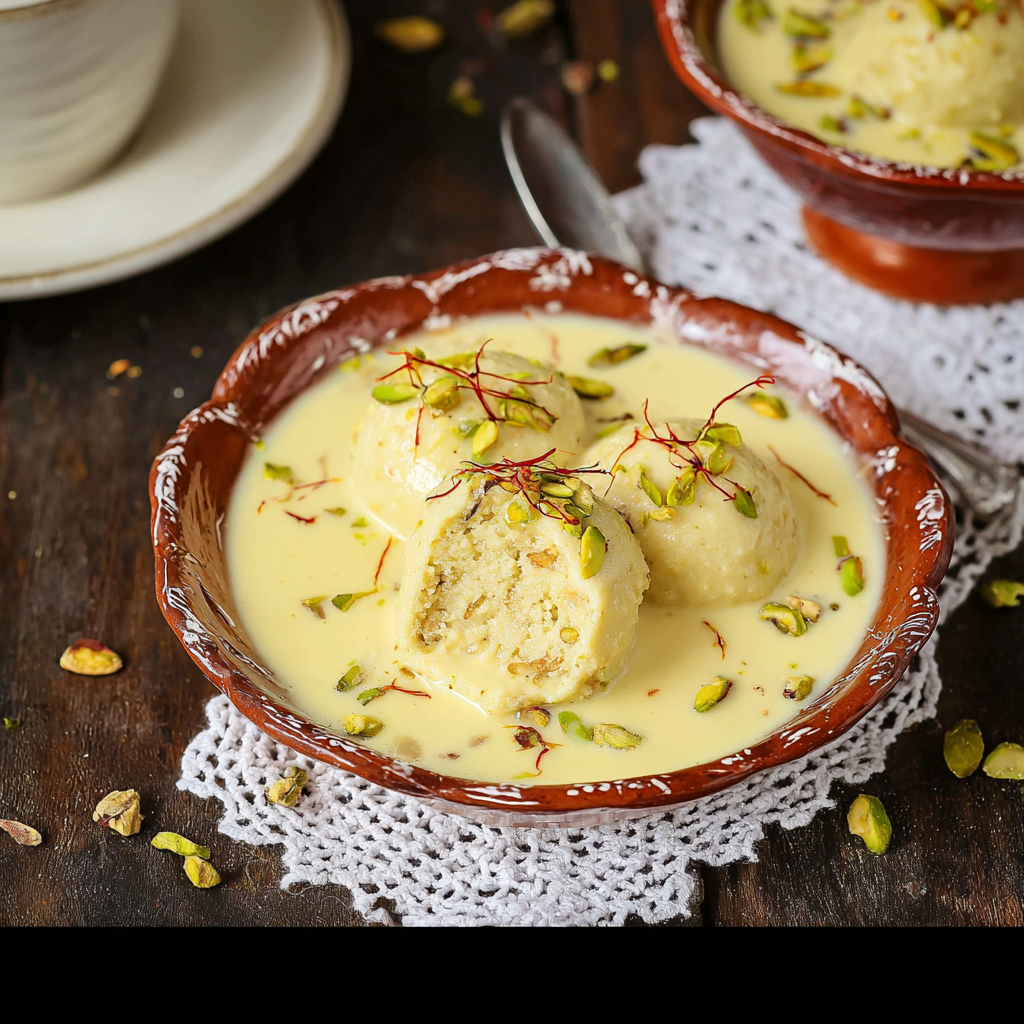
Equipment You’ll Need (and Easy Swaps)
You don’t need professional cookware.
A heavy-bottom pot is important so the milk doesn’t burn. A muslin cloth or clean cotton towel is essential for draining the chenna. And a wide pot helps the discs expand properly in sugar syrup.
No thermometer needed.
Your eyes, hands, and nose will guide you better than any gadget.
Make-Ahead & Meal Prep
Here’s the good news: rasmalai actually improves with time.
You can make it a full day ahead and refrigerate it. In fact, I recommend it. The discs soak better. The flavors deepen. Everything settles into place.
This is one dessert that likes being prepared early.
Ingredients (and Why They Matter)
The Milk (The Real Star)
Milk does all the heavy lifting here.
You’ll use full-fat milk three times:
for the chenna, for soaking, and for the rabri.
Low-fat milk just won’t work. The texture won’t be soft. The flavor won’t be rich. This is not the place to cut corners.
You’ll need:
- 5 cups full-fat milk for chenna
- 3 cups full-fat milk for rabri
Fresh milk matters more than people think. If the milk tastes flat, the dessert will too.
The Curdling Agent
You have options here.
You can use lemon juice, vinegar, or even curd. I usually reach for lemon juice because it’s reliable and easy to control.
Vinegar works just as well—just make sure you rinse the chenna thoroughly so no sharp smell lingers.
Sugar & Aromatics
Rasmalai should be gently sweet.
Never loud. Never aggressive.
Cardamom adds warmth. Saffron adds aroma and that soft golden hue. Nuts bring a little texture and richness.
Simple ingredients. But each one earns its place.
Step-by-Step Method (Cook With Me)
Making the Rabri: Slow and Steady
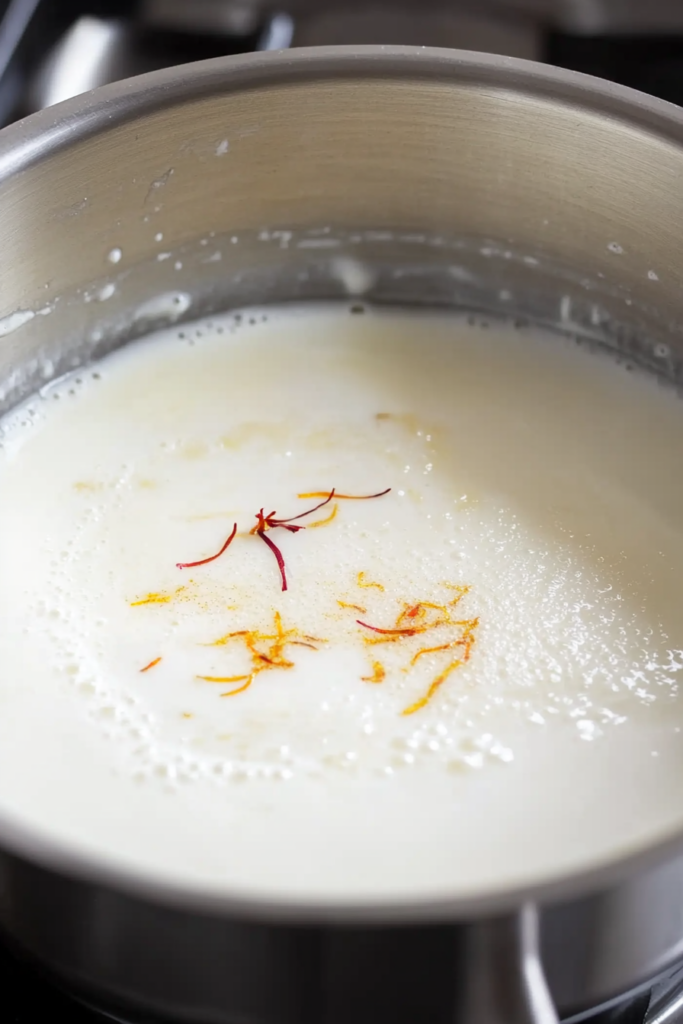
I always start with the rabri.
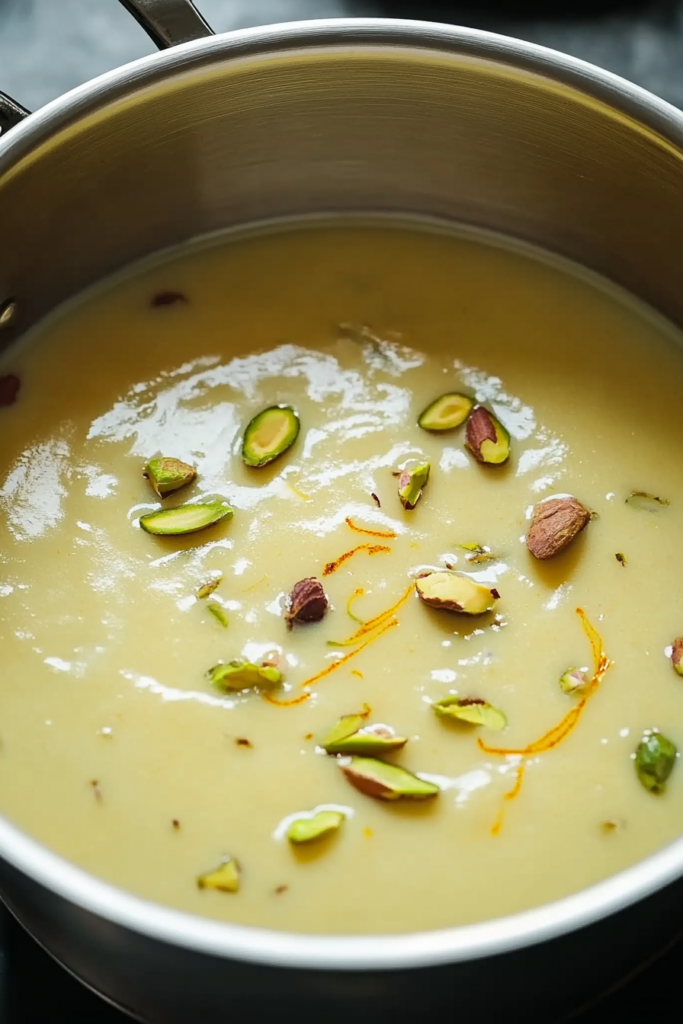
As the milk boils, I stir every few minutes, gently scraping the bottom. When cream forms on top, I don’t remove it. I just push it aside. That cream? That’s flavor.
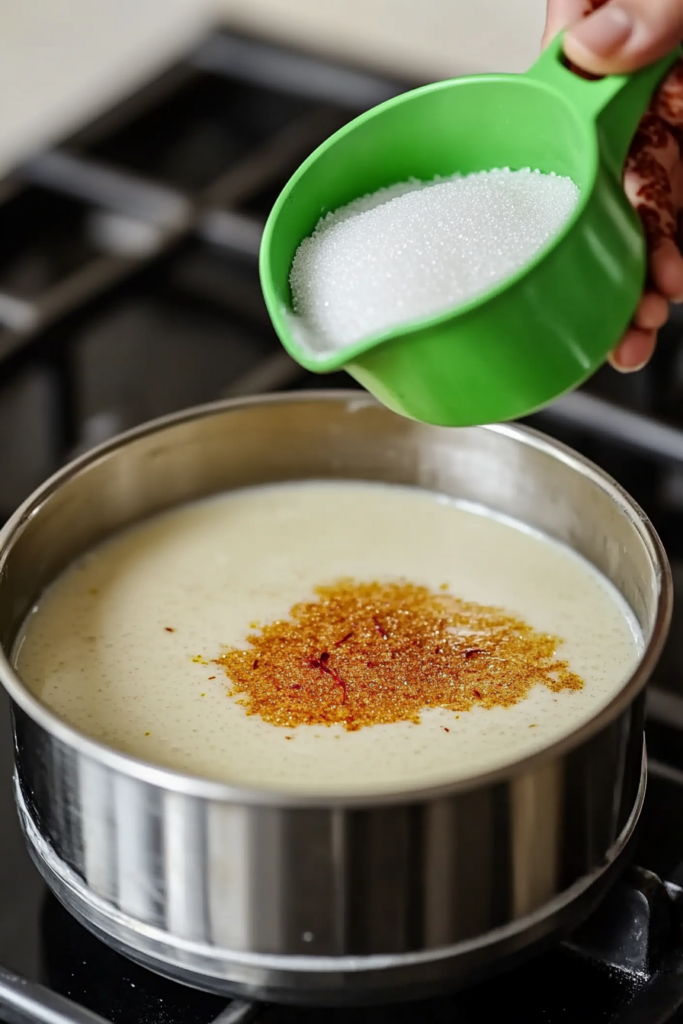
You’ll know it’s ready when the milk looks thicker, lightly coats the spoon, and smells sweet and creamy.
I let it cool. Half goes into the fridge. Half stays warm. That temperature contrast matters later.
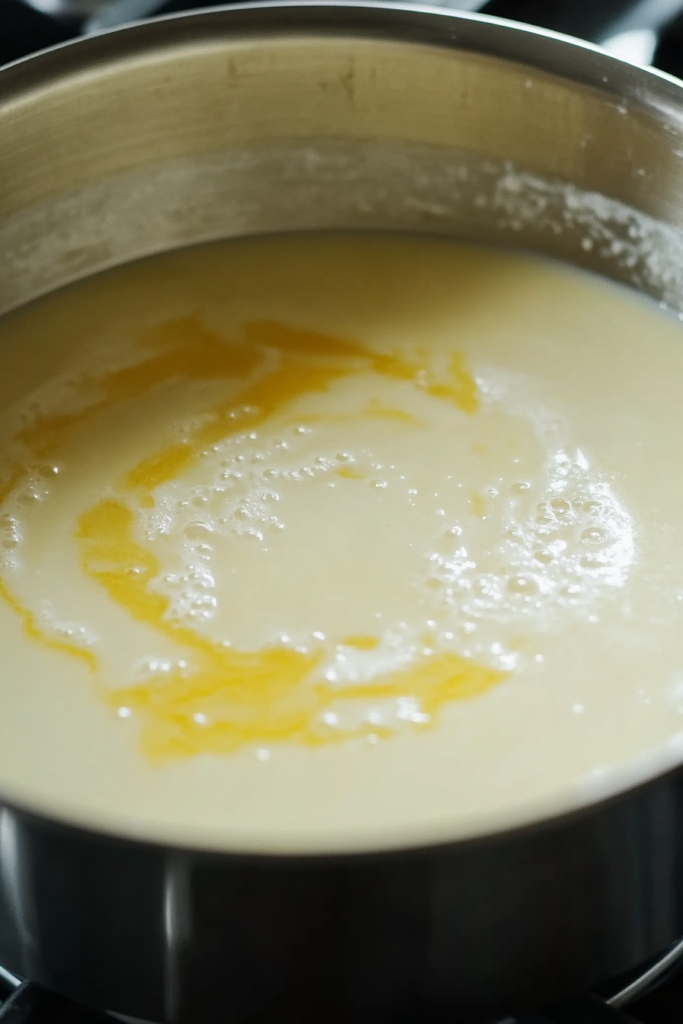
If the milk smells caramelized, your flame was too high. Lower it. Stir more often.
Making Chenna: This Step Decides Everything
This is where rasmalai either becomes magical… or disappointing.
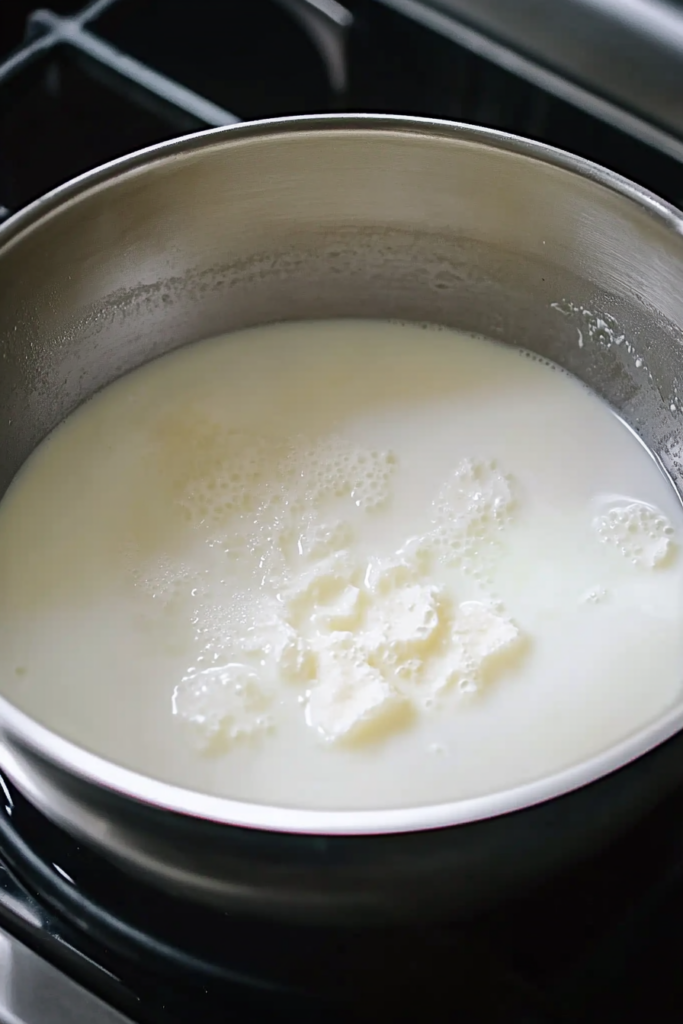
I boil the milk, turn off the heat, then wait a few seconds before adding lemon juice. The milk should be hot—but not raging.
As you stir, you’ll see the curds separate like soft clouds. If they hesitate, I gently reheat.
Once curdled, ice water stops the cooking immediately. That’s how the chenna stays tender.
After rinsing, I hang it and wait. The texture I want is moist, grainy, and soft.
Too wet? It will fall apart.
Too dry? It will crack.
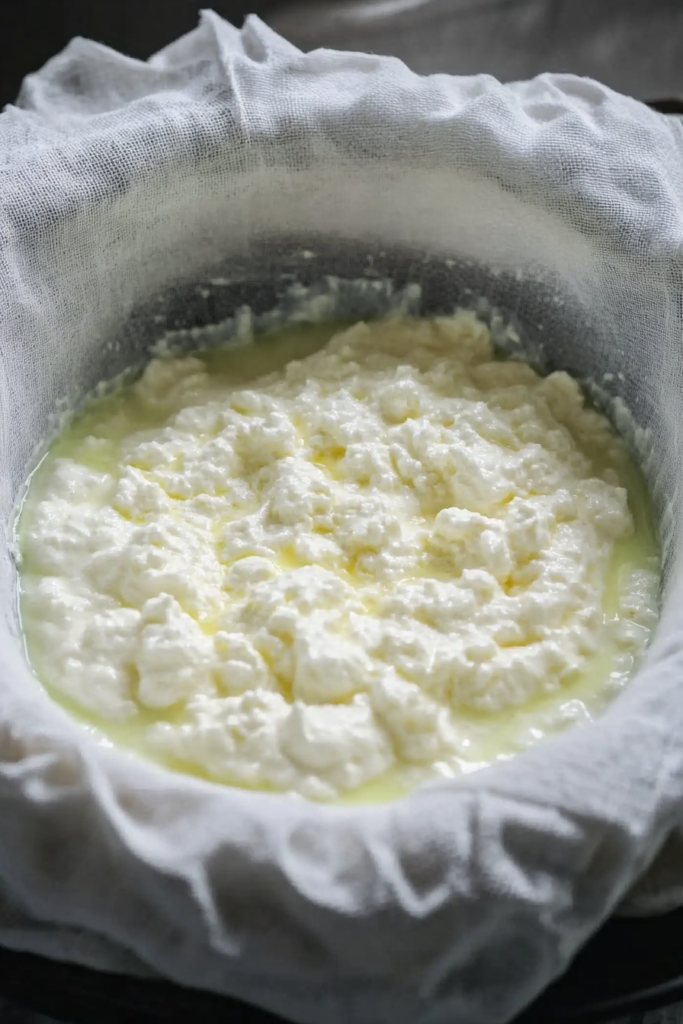
This balance matters.
Kneading: Quiet, Gentle, Important
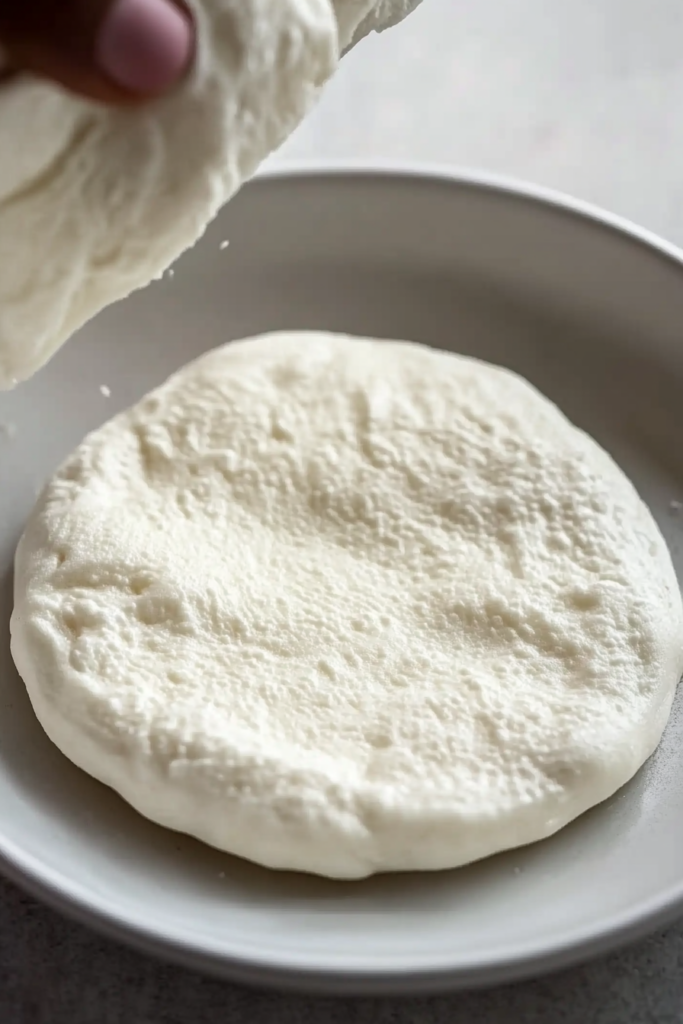
This part is calm and hands-on.
I knead slowly with the heel of my palm. At first, it feels grainy. Then… smoother. Softer. Almost creamy.
That’s when I stop.
Over-kneading makes hard rasmalai.
Under-kneading causes cracks.
The dough should feel like soft clay. Nothing more.
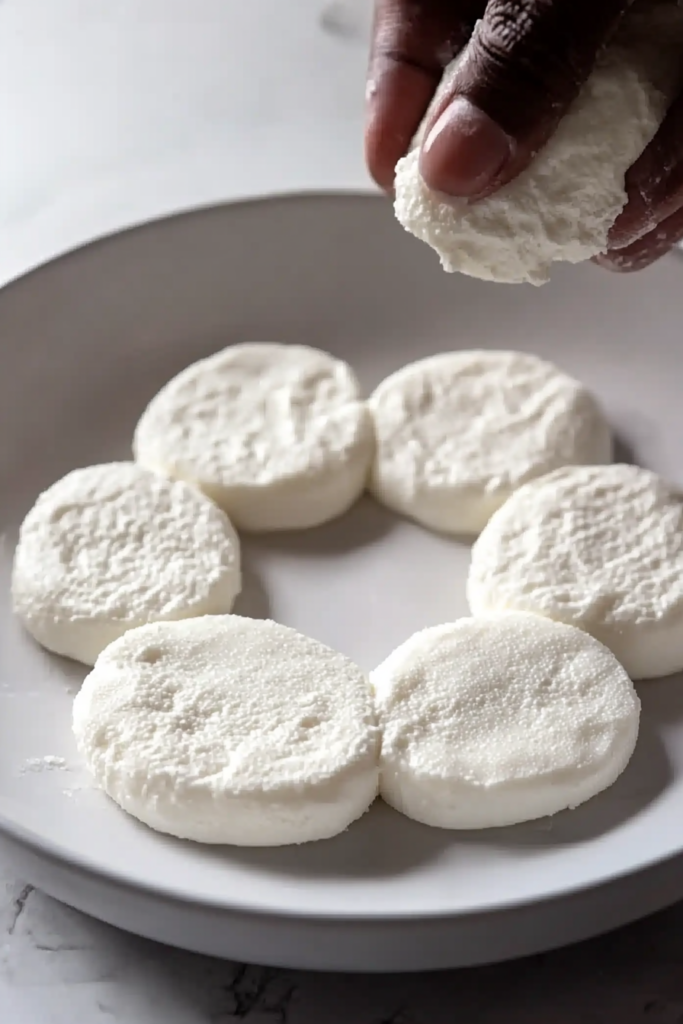
Cooking the Discs in Sugar Syrup
The syrup must be boiling before the discs go in.
I add them gently, cover the pot, and resist peeking. As they cook, they puff up and double in size. The smell changes—from plain sugar to something lightly floral.
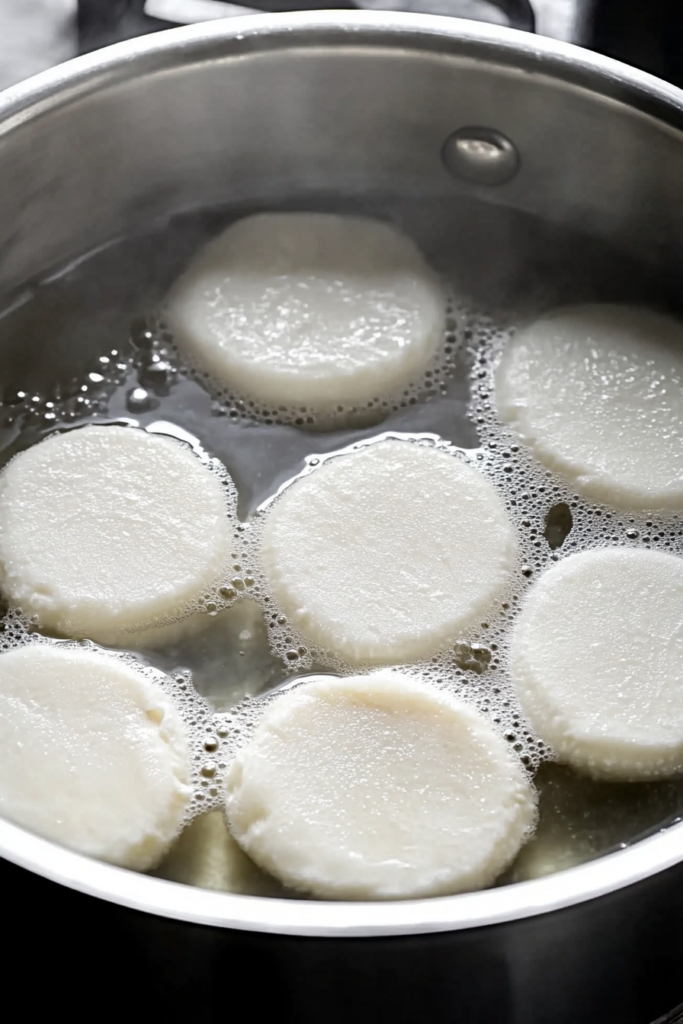
After cooking, I leave them covered. This rest is crucial. It prevents shrinking and keeps them airy.
Patience pays off here.
Assembly: The Final Moment
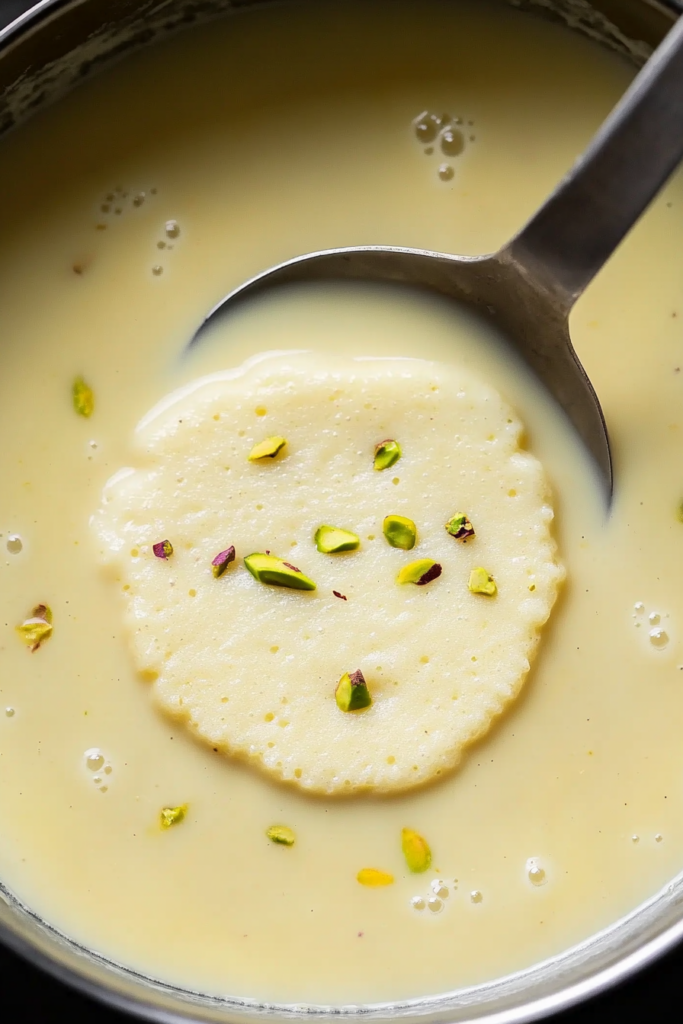
Once cooled, I gently squeeze out the syrup. No pressure. Just enough.
Then into the warm rabri they go.
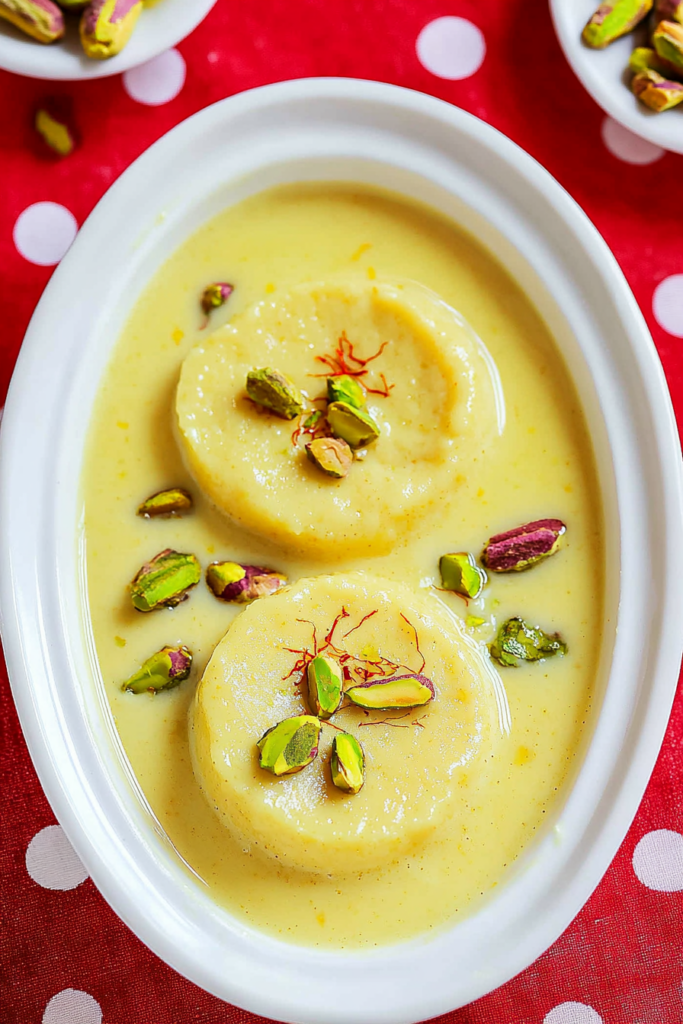
After resting, I finish with chilled rabri and nuts. At this point, the rasmalai should feel almost fragile. Like it might fall apart if you rush it.
That softness is exactly what you want.
Variations & Customization
Rasmalai is surprisingly flexible.
For a lighter version, I reduce the sugar and go easy on the nuts.
For a fancier touch, rose water or kewra adds elegance. Even edible silver leaf works for special occasions.
Vegan versions are possible with almond milk and tofu or cashew curd—but think of them as inspired adaptations, not traditional replacements.
In winter, I lean into pistachios. In summer, a hint of rose feels refreshing. Just keep the spices gentle. Rasmalai is about balance.
Serving & Storage
I always serve rasmalai well chilled, in shallow bowls so the milk pools around each disc.
A few nuts on top are enough. No need to overdo it.
It pairs beautifully after spicy meals. No side dishes needed—though a cup of plain tea alongside feels just right.
Store rasmalai in the fridge for up to three days, fully submerged in rabri. Freezing isn’t a good idea. The texture won’t survive.
If the milk thickens too much, a splash of cold milk fixes everything.
Final Thoughts
Rasmalai teaches patience.
It rewards gentleness.
And once you’ve made it yourself, store-bought versions never quite feel the same again.
PrintClassic Soft Rasmalai Recipe From Scratch
Rasmalai is a classic South Asian sweet made from soft chenna (Indian cottage cheese discs) soaked in aromatic, thickened milk (rabri). This dessert balances creamy sweetness with fragrant cardamom and saffron. It’s perfect for celebrations or special family dinners — and once you get the rhythm of it, it’s surprisingly calming to make.
- Prep Time: 10 minutes
- Cook Time: 2 hours
- Total Time: 2 hours 10 minutes (plus resting chill time)
- Yield: 6 1x
- Category: Dessert
- Cuisine: Indian / Bengali
Ingredients
For the Chenna (Soft Cheese)
-
5 cups (⅝ liter) full-fat milk
-
½–1 tbsp lemon juice or vinegar (mixed with 2–3 tbsp water) or 4–6 tbsp curd
-
½ liter ice water or ice cubes
For the Sugar Syrup
-
½ cup refined white sugar
-
1¾ cups water
-
⅛ tsp cardamom powder (elaichi)
For the Rabri (Thick Sweet Milk)
-
3 cups (⅜ liter) full-fat milk
-
¼ cup sugar
-
Pinch of saffron (optional)
-
1 tbsp pistachios or sliced almonds
Instructions
1. Make the Rabri
Pour the milk into a heavy pot and bring to a gentle boil. Add sugar and saffron. Lower heat and stir every few minutes so it doesn’t stick. Let it simmer until it reduces by about half and becomes creamy. Once thickened, remove from heat. Let half cool then chill, and keep the rest warm.
2. Prepare the Chenna
Boil milk in a separate pot. Turn off the heat and slowly add the lemon juice/vinegar/curd while stirring. Milk will split into curds and whey. If not curdling, heat slightly and keep stirring. Once done, pour ice water or ice cubes to stop further cooking and keep the chenna soft.
3. Drain and Rinse
Strain the curds through a muslin cloth over a colander. Rinse under water to wash away any sour taste. Tie the cloth and squeeze out excess whey. Hang it for about 45–60 minutes so the cheese becomes moist but not dripping.
4. Knead the Chenna
Transfer the drained chenna to a plate. Knead gently for 3–5 minutes until smooth and non-grainy. Divide into 12 equal portions. Flatten each portion into a small disc without cracks.
5. Cook in Sugar Syrup
Bring the water and sugar for syrup to a boil, then add cardamom powder. Gently place the chenna discs in the syrup. Cook covered on medium-high heat for about 9–10 minutes. Turn off heat and keep covered for 20 minutes — this helps the discs stay soft.
6. Assemble the Rasmalai
Remove the cooked discs and let them cool slightly. Squeeze gently to remove excess syrup. Place the discs in the warm rabri and let soak for 3–4 hours. Just before serving, pour the chilled rabri on top and garnish with nuts.
Notes
Serving Tips
Serve rasmalai well chilled in shallow bowls, so each soft disc is nestled in creamy milk. A light dusting of extra cardamom or a few extra nuts adds a nice touch.
Pro Tips & Tricks
-
Use full-fat milk only — it gives the richest taste and softest texture.
-
Ice water immediately after curdling keeps the chenna tender and spongy.
-
Don’t overcrowd the sugar syrup pot — discs need room to expand and stay fluffy.
Storage & Reheating
-
Refrigerator: Store in an airtight container for up to 3 days, submerged in the milk.
-
Freezing is not recommended — texture changes and becomes grainy.
-
If the rabri thickens too much in the fridge, stir in a splash of cold milk before serving.