

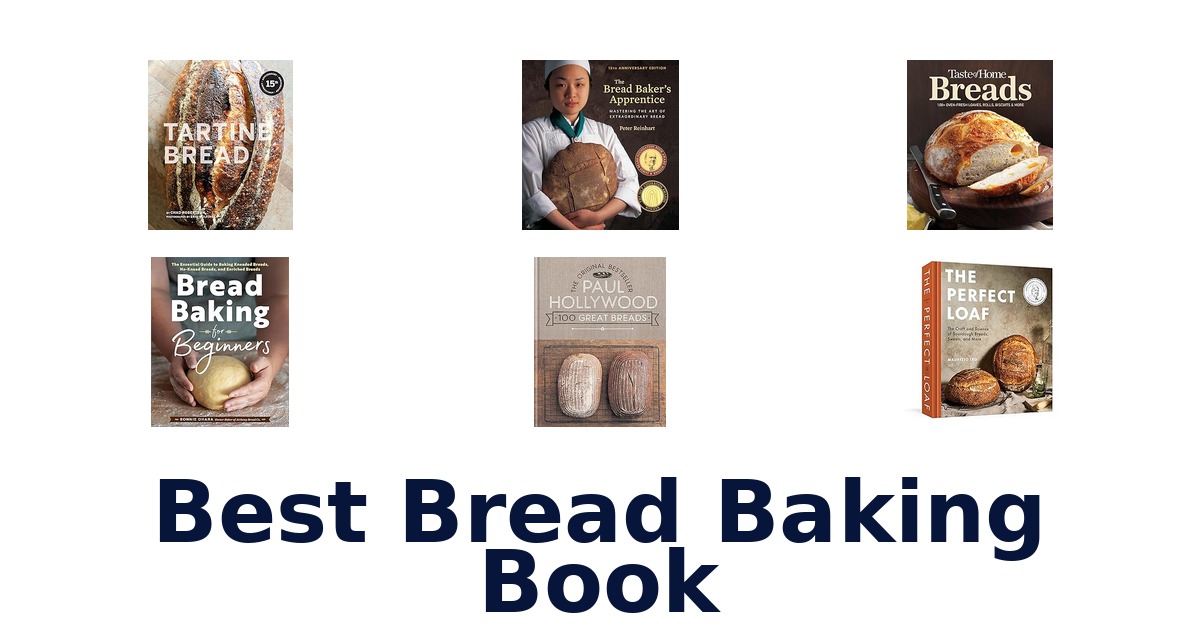
Mastering the art of artisan bread baking begins with the right foundational knowledge. From understanding fermentation science to the nuances of hydration levels, selecting a top-tier bread baking book is crucial for aspiring bakers. This curated list of the best bread baking books explores essential techniques and innovative approaches, ensuring every loaf achieves the perfect crumb and crust.
Whether you’re a beginner seeking a reliable introduction or an experienced baker looking to refine your craft, these essential bread baking books offer invaluable insights. Delve into the world of flour, yeast, and heat as we unveil the ultimate resources for your baking journey.
Find Your Best Bread Baking Book Now!
1. The Perfect Loaf: The Craft and Science of Sourdough Breads,

The Perfect Loaf is your definitive guide to mastering the art and science of sourdough. If you’re seeking to elevate your homemade bread, this comprehensive resource demystifies the sourdough process, transforming complex techniques into achievable steps for bakers of all levels.
This essential baking book delves deep into the intricacies of sourdough starters, fermentation, and shaping, offering a scientific approach alongside artisanal craft. Explore detailed explanations, troubleshooting tips, and a wealth of recipes designed to produce exceptional crusty loaves, enriched doughs, and more. It’s an invaluable companion for anyone passionate about artisanal baking and achieving that perfect crumb.
Pros
- Provides in-depth scientific explanations behind sourdough’s fermentation magic, empowering bakers to understand the ‘why’ behind each step.
- Features a clear, structured approach to building and maintaining lively sourdough starters, a foundational element for delicious bread.
- Offers a diverse range of recipes, from basic country loaves to more complex flavored and enriched bread creations, catering to a spectrum of tastes.
- The book’s visual guidance, with step-by-step photos, makes complex techniques like shaping and scoring far more accessible for home bakers.
Cons
- Some of the more advanced techniques might require a significant time investment, potentially posing a challenge for very busy individuals new to sourdough.
For aspiring sourdough enthusiasts and seasoned bakers alike, The Perfect Loaf offers unparalleled expertise. It bridges the gap between theory and practice, making extraordinary sourdough bread achievable in your own kitchen. Embrace the journey of creating superior loaves with this indispensable baking handbook.
2. The King Arthur Baking Company Big Book of Bread: 125+

Unlock your inner baker with The King Arthur Baking Company Big Book of Bread. This comprehensive guide offers over 125 meticulously crafted recipes, from classic sourdoughs to international delights, empowering home bakers of all skill levels to create delicious, artisanal loaves with confidence.
Discover the joy of homemade bread, fresh from your oven.
Dive into a world of flour, yeast, and flavor with this essential baking companion. Expertly curated by King Arthur Baking Company, it provides detailed instructions, helpful tips, and inspiring photography for every recipe. Whether you’re a beginner seeking simple no-knead solutions or an experienced baker eager to master complex techniques like brioche or rye, this book delivers.
Whether you’re a beginner seeking simple no-knead solutions or an experienced baker eager to master complex techniques like brioche or rye, this book delivers.
Pros
- Features over 125 diverse bread recipes, catering to a wide range of tastes and skill levels, including foundational doughs and sweet breads.
- Offers clear, step-by-step instructions and practical advice from a trusted baking authority, making complex techniques accessible to home bakers.
- Includes beautiful imagery and helpful tips, enhancing the learning experience and inspiring creative baking endeavors, perfect for understanding artisanal baking methods.
- Covers a broad spectrum of bread-making, from simple yeast breads to enriched doughs and gluten-free options, solidifying its status as a go-to baking resource.
Cons
- Some advanced techniques might require additional practice for absolute beginners, though the instructions are thoroughly explained.
For anyone passionate about achieving bakery-quality results in their own kitchen, The King Arthur Baking Company Big Book of Bread is an indispensable resource. Elevate your baking game with this definitive guide to mastering the art of bread making, offering endless possibilities for delicious, homemade loaves.
3. Flour Water Salt Yeast: The Fundamentals of Artisan Bread and

Unlock the secrets to perfectly crusted, airy loaves with Flour Water Salt Yeast: The Fundamentals of Artisan Bread. This essential guide demystifies the journey from simple ingredients to bakery-quality artisan bread, empowering both novice bakers and seasoned enthusiasts to create exceptional sourdoughs and more.
Authored by Ken Forkish, this comprehensive cookbook delves into the science and soul of bread making. It meticulously explains the four core components—flour, water, salt, and yeast—and their transformative roles.
Explore detailed techniques for creating robust sourdough starters, understanding preferments like bigas and poolish, and mastering the art of high-hydration doughs for that coveted open crumb.
Pros
- Master authentic artisan bread recipes, from rustic boules to hearty whole wheat loaves, with clear, step-by-step instructions and insightful explanations
- Develop a profound understanding of sourdough baking, yeast activity, and dough fermentation for consistently delicious results
- Features a wealth of stunning photography that visually guides you through each stage of the bread-making process
- Build essential baking skills for crafting crusty breads known for their complex flavor and satisfying texture
Cons
- The complexity of some techniques may require patience and practice for absolute beginners in the world of artisan baking
Flour Water Salt Yeast is an indispensable resource for anyone aspiring to bake truly exceptional artisan bread at home. It provides the foundational knowledge and practical application needed to achieve consistent, delicious results, making it a standout among bread baking books and a must-have for serious home bakers.
4. Bread Baking for Beginners: The Essential Guide to Baking Kneaded

Embark on your journey to becoming a skilled baker with Bread Baking for Beginners. This essential guide demystifies the art of creating delicious, homemade loaves, transforming simple ingredients into satisfying culinary triumphs right in your own kitchen. Discover the joy of fresh bread.
Discover the joy of fresh bread.
Uncover the secrets to perfect dough with clear, step-by-step instructions, focusing on fundamental techniques for both kneaded and no-knead methods. This comprehensive resource offers practical advice, essential kitchen tools breakdown, and foolproof recipes designed for novice bakers, ensuring success from your very first bake.
Pros
- Master fundamental bread-making skills, including achieving the ideal dough consistency and understanding yeast activation, making it a prime choice for anyone seeking the best bread baking book for foundational knowledge.
- Enjoy a curated selection of accessible recipes, from classic white loaves to hearty whole wheat, designed to build confidence and encourage exploration in home baking.
- Benefit from clear visual aids and troubleshooting tips that address common beginner challenges, ensuring a smoother learning curve for aspiring bakers.
Cons
- While comprehensive for basics, advanced sourdough or specialty bread techniques might require supplementary resources for those looking to delve deeper beyond foundational bread baking.
For anyone eager to bake their first amazing loaf, this guide is an invaluable companion. It’s the perfect starting point for discovering the rewarding world of homemade bread, offering a solid foundation for any home baker’s culinary adventure.
5. Taste of Home Breads: 100 Recipes for Oven-Fresh Loaves, Rolls,

Unlock the delightful aroma of freshly baked goods right in your kitchen with Taste of Home Breads – your ultimate guide to creating perfect loaves, rolls, and biscuits. This comprehensive cookbook simplifies the art of home baking, making it accessible for beginners and satisfying for seasoned bakers seeking new recipes for delicious, oven-fresh treats.
Featuring 100 meticulously crafted recipes, Taste of Home Breads delivers a treasure trove of baking inspiration, from classic sourdough to easy no-knead options and delightful sweet breads. Each recipe is designed for success, promising consistently delicious results that will impress your family and friends with homemade bread perfection. Explore artisanal bread making and quick bread recipes with confidence.
Pros
- Offers a diverse collection of 100 recipes, covering everything from staple loaves to specialty breads and biscuits, catering to various skill levels and tastes.
- Provides clear, step-by-step instructions that are easy to follow, ensuring successful homemade bread baking even for those new to the craft.
- Emphasizes oven-fresh quality, guiding users to achieve delightful textures and flavors with popular baking techniques.
- Includes a variety of quick bread options and yeast bread recipes perfect for any occasion.
Cons
- Some advanced techniques for achieving specific crumb structures might require additional research beyond the provided instructions.
If you’re searching for the best bread baking book to elevate your home baking, Taste of Home Breads is an excellent choice. It’s ideal for anyone desiring authentic, cafe-quality loaves and rolls without the professional complexities, bringing the comforting warmth of homemade baked goods to your table.
6. The Bread Baker’s Apprentice, 15th Anniversary Edition: Mastering the Art

Unlock the secrets to artisanal bread with The Bread Baker’s Apprentice, 15th Anniversary Edition. This essential guide empowers home bakers to master classic loaves, from rustic sourdough to delicate brioche, transforming your kitchen into a professional bakery.
Explore detailed recipes, expert techniques, and step-by-step instructions for achieving perfect crusts, airy crumb, and rich flavors in every bake. This comprehensive baking manual covers everything from flour types and fermentation science to shaping methods and oven management, ensuring success even for novice bakers. It’s a foundational text for anyone passionate about homemade bread.
It’s a foundational text for anyone passionate about homemade bread.
Pros
- Offers a vast array of bread recipes, from simple no-knead options to complex sourdoughs, catering to all skill levels and preferences for homemade bread.
- Provides clear, detailed explanations of baking science and techniques, demystifying the process of creating artisanal loaves and improving baking consistency.
- Features beautiful photography and engaging prose, making the learning experience enjoyable and inspiring for aspiring bakers seeking to expand their repertoire.
- The 15th-anniversary edition includes updated content and insights, building upon its legacy as a trusted source for excellent bread baking.
Cons
- Some recipes may require specialized ingredients or equipment, which could be a barrier for bakers just starting out or with limited access to specialty baking supplies.
For those looking to elevate their home baking and truly understand the art of bread making, The Bread Baker’s Apprentice is an indispensable companion. Whether you’re a beginner eager to bake your first loaf or an experienced baker aiming for perfection in your favorite artisan bread, this book offers the knowledge and inspiration you need.
7. Artisan Sourdough Made Simple: A Beginner’s Guide to Delicious Handcrafted
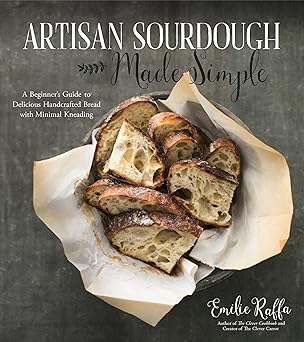
Embark on a delightful journey into the world of sourdough baking with Artisan Sourdough Made Simple. This guide transforms complex techniques into accessible steps, empowering even novice home bakers to create delicious, handcrafted loaves bursting with authentic flavor and a perfect crust.
Artisan Sourdough Made Simple offers a comprehensive approach to creating incredible sourdough breads. Featuring clear instructions, beautiful photography, and practical advice, this beginner-friendly resource covers everything from starter care to achieving that coveted chewy crumb and crisp exterior.
It’s an essential addition to any home baker’s library, promising satisfying results with every bake.
Pros
- Demystifies the sourdough process with easy-to-follow instructions, making artisanal baking achievable for beginners.
- Provides essential guidance on starter maintenance, helping users cultivate a healthy and active sourdough culture for superior flavor.
- Features a variety of tempting sourdough recipes, from classic boules to enriched doughs, encouraging creative exploration.
Cons
- Some advanced techniques or less common flour types might require supplementary research beyond this introductory guide.
For those eager to master the art of making exceptional sourdough bread at home, this book stands out. It’s the perfect resource for anyone seeking to reliably produce beautiful, delicious loaves and enjoy the rewarding process of sourdough baking.
8. Paul Hollywood 100 Great Breads: The Original Bestseller

Unlock your inner baker with Paul Hollywood’s groundbreaking guide, 100 Great Breads. This definitive cookbook transforms the complexities of artisan bread making into accessible, rewarding recipes, empowering even novice bakers to create delicious, crusty loaves right in their own kitchens.
Authored by the renowned baker, this volume delves into the science and art of bread. It presents a comprehensive collection of recipes, meticulously detailed for clarity, covering everything from simple no-knead methods to more advanced techniques.
Pros
- Features a wide spectrum of bread types, from quick breads and focaccia to complex sourdough starters and rye loaves, offering immense variety for any bread enthusiast.
- Paul Hollywood’s clear, step-by-step instructions, accompanied by helpful photography, demystify advanced bread baking techniques, making it achievable for beginners.
- The book emphasizes understanding gluten development and fermentation, crucial for producing superior textures and rich flavors in your baked goods.
Cons
- Some advanced recipes might require specific flours or equipment not commonly found in a standard kitchen, potentially increasing the initial setup cost for dedicated bakers.
This iconic baking manual is an indispensable resource for anyone passionate about crafting exceptional bread at home. Whether you’re just starting your baking journey or looking to refine your artisan bread skills, 100 Great Breads provides the foundation and inspiration needed to bake with confidence and delicious results.
9. Bread Illustrated: A Step-By-Step Guide to Achieving Bakery-Quality Results At

Unlock the secrets to artisanal, crusty loaves and fluffy rolls with Bread Illustrated: A Step-By-Step Guide to Achieving Bakery-Quality Results At Home. This essential cookbook transforms complex breadmaking into an accessible art, guiding you from simple doughs to impressive sourdoughs, ensuring delightful homemade bread every time.
This comprehensive culinary guide offers a visual journey through the entire bread-baking process. With clear, detailed photography accompanying each stage, it demystifies techniques like kneading, proofing, and shaping. Learn to craft everything from classic white bread and whole wheat loaves to specialty artisan breads, achieving that coveted bakery-quality texture and flavor right in your own kitchen.
Pros
- Features over 700 step-by-step photographs, offering unparalleled visual guidance for beginners and experienced bakers alike when learning to bake bread.
- Covers a wide range of bread recipes, including basic loaves, enriched doughs, regional specialties, and gluten-free options, making it a versatile resource for home bakers.
- Provides essential baking knowledge, from understanding ingredients to troubleshooting common dough problems, empowering users to achieve consistent, delicious results.
- Focuses on achieving bakery-quality outcomes, delivering expert techniques and tips for superior crust, crumb, and flavor in homemade bread.
Cons
- Some recipes might require specialized ingredients or equipment that home bakers may not readily have on hand.
For anyone eager to master the art of baking bread, Bread Illustrated stands out as an indispensable companion. Its meticulous instructions and visual aids make the journey to perfect homemade bread, from basic sandwich loaves to complex sourdough creations, both enjoyable and successful. Elevate your baking game and savor the satisfaction of truly artisanal bread.
10. Tartine Bread

Unlock the secrets to exceptional sourdough with Tartine Bread, a seminal guide that demystifies artisan bread making. This iconic tome invites both novice bakers and seasoned enthusiasts to master the craft of naturally leavened loaves, promising that your homemade bread will be a delicious triumph.
Focusing on a foundational country loaf, Tartine Bread meticulously details the techniques for creating a flavorful, rustic, and perfectly textured loaf. The book emphasizes the importance of a well-developed sourdough starter and offers clear, step-by-step instructions for achieving superior crust and crumb using minimal ingredients.
Pros
- Master the art of sourdough with expert-level instruction for a beginner-friendly approach to authentic artisan bread.
- Achieve consistently delightful results, from a beautifully caramelized crust to an open, airy crumb, every time you bake.
- Discover time-tested methods for nurturing a healthy sourdough starter, the cornerstone of great naturally leavened bread baking.
Cons
- The detailed process may require a significant time commitment for beginners to fully grasp and implement.
For anyone aspiring to bake truly remarkable bread at home, Tartine Bread stands as an indispensable resource. It’s more than just a cookbook; it’s a pathway to creating crusty, flavorful bread that will impress. If you’re seeking the best bread baking book for authentic, naturally leavened loaves, this is your essential guide.
Your Best Bread Baking Book: A Guide
Understanding your baking skill level
A guide’s suitability hinges significantly on your current mastery of the oven.
Matching a cookbook to your competence ensures an enjoyable and successful baking journey, preventing frustration and fostering confidence. For novices, clear demonstrations of fundamental principles and simple, forgiving recipes are paramount, building a solid foundation in dough hydration, proofing, and shaping. As your proficiency grows, you’ll naturally gravitate towards texts that introduce more nuanced techniques and demanding projects, perhaps exploring the intricacies of enriched doughs or faster methods.
Ultimately, the ideal resource caters to your individual development, offering progression. It might start with basic loaves and gradually introduce the complexities of laminated pastries, advanced fermentation strategies for artisanal breads, or specialized dietary considerations like gluten-free flour blends and dairy-free alternatives.
Recipe content and variety
The breadth and depth of recipes are paramount to maximizing your baking journey.
A truly valuable culinary guide should offer a diverse repertoire, encompassing everything from your everyday sandwich loaves and rustic artisan creations to speedy quick breads. This variety ensures you can confidently tackle various baking aspirations, whether you’re a beginner or an experienced dough enthusiast.
Beyond the sheer number of recipes, the instructional clarity and detail are non-negotiable. Look for cookbooks that provide thorough explanations of techniques, breaking down complex processes into digestible steps.
This includes clear measurements, precise temperature guidance, and insightful tips for troubleshooting common baking hurdles, ultimately empowering you to achieve consistently delicious results with every bake, from simple focaccia to elaborate sourdough.
Visual aids and instruction style
Clarity in guidance is paramount for any baking endeavor, especially when mastering the nuances of artisan loaves.
The way instructions are presented significantly influences a home baker’s success and enjoyment, transforming complex techniques into accessible steps. Clear visual aids, such as detailed step-by-step photographs or helpful illustrations, demystify processes like shaping dough or achieving the perfect crumb, providing a visual benchmark for your efforts.
Moreover, a book’s integration with digital resources, like supplementary video tutorials or online forums, can offer real-time demonstrations and address specific challenges, catering to diverse learning preferences.
Consider how the author’s teaching methodology and tone resonate with you. Are they encouraging and patient, breaking down intricate procedures with plain language, or more technical and assumed? A friendly, approachable style can reduce intimidation for beginners, while a more expert voice might appeal to those looking to refine advanced skills.
The presence of high-quality visuals—from the texture of a well-kneaded dough in a photo to a diagram illustrating fermentation stages—directly correlates with how effectively you can replicate results and build confidence in your bread-making journey.
Ingredient and technique depth
A truly comprehensive guide distinguishes itself through meticulous detail regarding ingredients and techniques.
Understanding the nuances of different flour types, from the protein content of bread flour to the subtle sweetness of whole wheat, profoundly influences the final crumb structure and flavor profile. Similarly, demystifying yeast activation and the intricacies of fermentation, including factors like temperature and hydration, is essential for achieving optimal rise and complex taste development. Without this depth, aspiring bakers are left to guesswork.
Without this depth, aspiring bakers are left to guesswork.
Expertly written culinary volumes will dedicate significant attention to the physical transformation of dough through skilled kneading, the art of shaping various loaf forms, and the critical stage of proofing, explaining how each step impacts texture and airiness. Exploring options that offer this level of instruction ensures you gain a foundational understanding, enabling you to troubleshoot common issues and confidently experiment with new recipes.
Book format and accessibility
The physical form of your baking guide profoundly influences how you’ll interact with its culinary wisdom.
Consider whether a durable hardcover will withstand floury kitchen environments or if a more portable paperback is preferable for learning on the go. Ebook availability offers instant access and searchability across various devices, but ensure your preferred e-reader or tablet is compatible for a seamless digital experience. Beyond the tangible, a well-structured internal architecture, featuring a robust index and cross-referencing, transforms a collection of recipes into an efficient learning tool, allowing you to quickly locate specific techniques, ingredients, or troubleshoot common baking conundrums.
A thoroughly cross-referenced guide with a comprehensive index can significantly shorten the time spent flipping pages, enabling swift navigation to sourdough starter maintenance, gluten-free flour substitutions, or advanced shaping methods. The format can range from coil-bound books that lay flat for easy viewing while kneading to digital versions with adjustable font sizes and bookmarking features, each catering to different learning styles and kitchen setups. Ultimately, the chosen format should enhance, not hinder, your journey to mastering artisanal loaves and everyday breads.
Quick Best Bread Baking Book Buying Checklist
- Recipe Variety: Look for a book with a wide range of recipes, from simple no-knead loaves to more complex sourdoughs and enriched breads.
- Skill Level Appropriateness: Ensure the book caters to your current baking proficiency, offering clear instructions for beginners or advanced techniques for experienced bakers.
- Ingredient Accessibility: Check if the recipes use readily available ingredients or if specialized flours and starters are easy to source in your area.
- Visual Aids: A book with step-by-step photos or clear diagrams can be incredibly helpful for understanding techniques and troubleshooting.
- Author Reputation: Consider books from well-known bakers or culinary institutions, as they often have a proven track record of accuracy and delicious results.
- Troubleshooting Section: A good bread book will include advice on common baking problems and how to fix them, which is invaluable for learning.
Frequently Asked Questions
What Makes A Bread Baking Book Considered “The Best” For Beginners?
The best bread baking books for beginners offer clear, step-by-step instructions with detailed explanations of fundamental techniques and ingredient functions. Look for books that include a variety of approachable recipes, perhaps featuring a good number of basic sandwich loaves or no-knead options, and ideally, visual guides or troubleshooting tips for common issues. Such resources empower novice bakers by building confidence and a solid understanding of the process.
How Can I Find A Bread Baking Book That Focuses On Sourdough Or Specific Types Of Bread?
To find a bread baking book on sourdough or specific types, utilize online retailers and search by keywords like “sourdough,” “artisan bread,” or the particular bread style you’re interested in. Read reviews to gauge reader satisfaction and look for books that offer detailed explanations of techniques and ingredient science. Many reputable publishers specialize in baking, so exploring their offerings can also lead you to excellent resources.
Which Bread Baking Books Offer The Most Comprehensive Step-By-Step Instructions And Troubleshooting Tips?
For comprehensive step-by-step instructions and troubleshooting, look no further than “Flour Water Salt Yeast” by Ken Forkish and “Tartine Bread” by Chad Robertson. These highly regarded books provide detailed guidance and troubleshooting advice that caters to a range of skill levels, making them invaluable resources for any aspiring baker.
Are There Any Bread Baking Books Known For Their Reliable Recipes And Beautiful Photography?
Certainly! For reliable bread recipes paired with stunning visuals, consider books by Tartine Bakery—their foundational volumes are renowned for guiding bakers through sourdough and everyday breads with exceptional clarity. King Arthur Baking Company also offers several titles celebrated for their consistently successful recipes and appealing photography, making them excellent resources for both novice and experienced home bakers.
Can A Good Bread Baking Book Help Me Understand The Science Behind Bread Making?
Yes, a good bread baking book can absolutely demystify the science. Look for titles that explain concepts like gluten development, the role of yeast in fermentation, and how heat transforms dough into bread, often through detailed explanations and illustrations. Understanding these principles will empower you to troubleshoot and improve your bakes.
Final Words
To unlock a world of delicious, perfectly textured loaves, investing in a top-tier bread baking book is your ultimate guide. From mastering sourdough starters to achieving that perfect crust, these culinary companions empower bakers of all levels. Embrace the journey of creating your own artisan bread and experience the unparalleled satisfaction of a bakery-quality bake right from your own kitchen.
Embrace the journey of creating your own artisan bread and experience the unparalleled satisfaction of a bakery-quality bake right from your own kitchen.