

The crucial role of sodium chloride in bread science extends far beyond simple seasoning. Optimal salt levels are paramount for yeasting, gluten development, and crust formation, directly impacting the final crumb structure and flavor profile.
From the delicate touch of fine sea salt to the robust minerality of Himalayan pink salt, each offers a unique contribution. This guide explores the nuances of top-tier saline ingredients and why the best salt to use for bread can transform your homemade loaves.
Compare Top-Rated Salt For Baking Bread
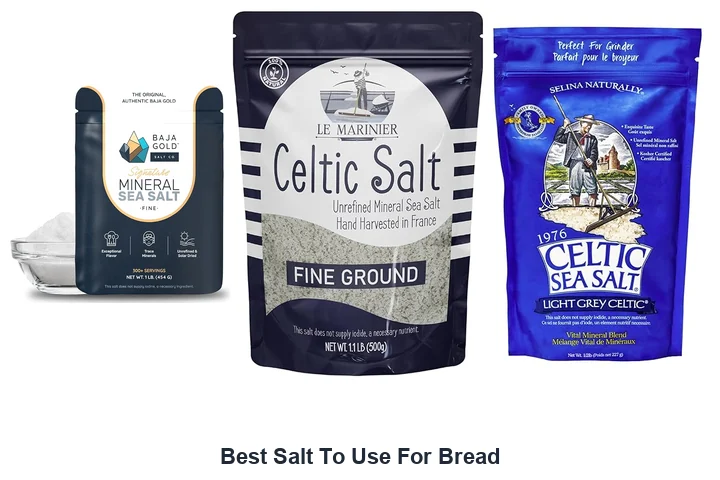
1. Baja Gold Signature Mineral Sea Salt – Recommended by Gary

Elevate your culinary creations with Baja Gold Signature Mineral Sea Salt, a pure, unrefined salt recommended by experts for its exceptional flavor and natural mineral content. Discover a cleaner, more balanced taste that transforms everyday cooking and baking into gourmet experiences.
This authentic sea salt, harvested using traditional methods, meticulously retains its valuable trace minerals, including magnesium and potassium, while offering a less sodium-intense profile than typical table salt. Its fine, flour-like grind ensures rapid dissolution, making it ideal for precise seasoning, sautéing, and baking.
Pros
- Naturally Unrefined & Mineral-Rich: Unlike processed salts, Baja Gold retains its natural trace minerals, providing a more complex and balanced flavor profile with less sodium.
- Authentic Baja Harvest: Crafted using traditional methods, this sea salt boasts a rich, full-bodied taste free from additives, enhancing dishes with genuine character.
- Fine Grind for Versatility: The flour-like texture is perfect for even seasoning, quick dissolving in batters and doughs, and precise application by hand.
- Exceptional Customer Rating: Boasting a 4.8-star rating from over 10,000 reviews, it’s a highly trusted choice for home cooks and bakers.
Cons
- Price Point: At $19, it may be a higher initial investment compared to standard table salt, though the quality and experience justify the cost for many.
Baja Gold Signature Mineral Sea Salt is the best choice for anyone seeking a superior, natural salt that enhances flavor without overwhelming. Its fine grind and pure mineral composition make it an indispensable staple for both everyday meals and special culinary projects.
2. Le Marinier Celtic Salt Organic Fine Ground, 1.1lb – 18oz.
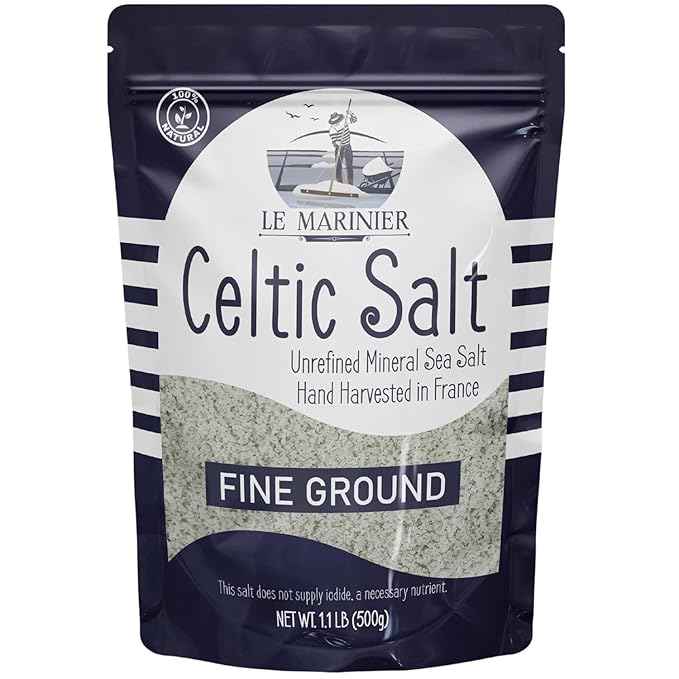
Discover the authentic taste of the sea with Le Marinier Celtic Salt. Hand-harvested from pristine French ocean marshes, this all-natural, unrefined salt offers a superior flavor and rich mineral content that elevates your culinary creations. Experience the difference pure, traditional salt makes.
Le Marinier Celtic Salt is meticulously hand-harvested using ancient methods in unspoiled French coastal waters, ensuring a pure, additive-free product. Its fine ground texture makes it an ideal all-purpose seasoning. Packed with over 82 essential minerals and electrolytes, this salt not only enhances flavor but also supports hydration and overall well-being.
Packed with over 82 essential minerals and electrolytes, this salt not only enhances flavor but also supports hydration and overall well-being.
Pros
- Authentic flavor profile with a subtler, more complex saltiness than conventional table salt, perfect for discerning palates.
- Rich in over 82 minerals and micronutrients, including magnesium and potassium, offering potential health benefits and improved hydration due to its electrolyte content.
- Fine ground texture ensures excellent solubility and even distribution in all your favorite recipes, from baking bread to seasoning delicate dishes.
Cons
- Due to its natural moisture content, it may clump slightly in humid environments, requiring proper storage.
For those seeking a premium, unadulterated sea salt, Le Marinier Celtic Salt is an exceptional choice. Its natural composition and exquisite flavor make it superior to highly processed table salts for both everyday cooking and special culinary endeavors.
Elevate your meals and enhance your well-being with this fine ground, mineral-rich treasure.
3. Celtic Sea Salt Light Grey Coarse – Unrefined Mineral Salt,

Elevate your culinary creations with Celtic Sea Salt Light Grey Coarse, an unrefined mineral-rich salt that brings naturally balanced flavor and texture to your dishes. Discover the difference true whole crystal salt makes, providing essential minerals and a satisfying crunch.
This light grey, coarse sea salt is sustainably harvested and naturally rich in over 70 trace minerals. Ideal for everyday cooking, seasoning, brining, and finishing, its pure, unrefined nature enhances flavors without overpowering.
Lab-tested for purity and GMP certified, it offers consistent quality and responsible sourcing for your kitchen.
Pros
- Bursting with Naturally-Occurring Minerals: Contains over 70 trace minerals and elements, offering more than refined salts for balanced seasoning and natural hydration support.
- Whole Crystal Texture: Provides a satisfying crunch and gradual dissolve, perfect for enhancing soups, broths, fermenting, and marinades, offering a superior culinary experience.
- Versatile Culinary Use: Ideal for seasoning, pickling, brining, and as a crunchy finishing salt, it enhances flavor and texture across a wide range of recipes.
- Purity and Quality Assurance: Lab-tested for purity and produced under GMP certification, reflecting responsible sourcing from ancient coastal salt beds.
- Convenient Two-Pack Supply: Includes two 1 lb resealable bags, ensuring extended pantry use and a dependable source of naturally balanced flavor for your kitchen.
Cons
- Coarse grain may require grinding for some finer applications, which is noted as ‘grinder ready’ in the product features.
Celtic Sea Salt Light Grey Coarse is an exceptional choice for home cooks seeking a more natural and flavorful salt. Its unrefined mineral content and satisfying texture make it a premium alternative to processed salts, ideal for those who appreciate quality and depth in their cooking.
4. Maldon Salt, Sea Salt Flakes, 8.5 oz (240 g), Kosher,

Elevate your everyday cooking with Maldon Sea Salt Flakes, the artisanal choice for discerning home cooks seeking an unparalleled salt experience. Its delicate crunch and pure flavor transform simple dishes into culinary masterpieces.
Hand-harvested for generations, these distinctive pyramid-shaped flakes deliver a clean, mineral-rich taste that enhances both savory and sweet creations. The 5 oz (240g) box provides ample supply for all your culinary adventures.
5 oz (240g) box provides ample supply for all your culinary adventures.
Pros
- Exceptional Flavor Profile: The natural minerals provide a balanced, fresh intensity and clean taste unmatched by ordinary salt.
- Unique Texture: Soft, crunchy flakes offer a delightful sensory experience and dissolve beautifully.
- Versatile Application: Perfect for finishing dishes, baking, or incorporating during the cooking process to add depth.
- Artisanal Heritage: Crafted using traditional methods by Master Salt Makers, ensuring a premium, time-honored quality.
Cons
- Can be pricier than standard table salt, reflecting its premium quality and artisanal production.
For those who appreciate the nuances of flavor and texture, Maldon Sea Salt Flakes are an essential addition to any kitchen. Experience the difference that true artisanal sea salt makes in your cooking.
5. Celtic Sea Salt Fine Ground – Natural Mineral Salt, Sustainably

Elevate your everyday cooking with Celtic Sea Salt Fine Ground, a natural mineral salt offering a balanced flavor and rich trace elements. This sustainably harvested salt is not just a seasoning, but a vital addition to your pantry, enhancing dishes without overpowering them.
Sourced from coastal salt beds, this fine-ground salt is unprocessed and free from additives, boasting a soft gourmet texture perfect for sauces, dressings, and beverage blending. Its GMP certification and 3rd party lab verification ensure consistent quality and responsible sourcing for your daily culinary creations.
Pros
- Rich in naturally-occurring minerals and trace elements, offering a more complex flavor profile than refined table salts.
- Sustainably hand-harvested and GMP certified, ensuring responsible sourcing and consistent quality verified by a 3rd party lab.
- Unprocessed and free from additives, providing a pure, wholesome salt option for daily use.
Cons
- The fine grind, while ideal for dissolving, may not provide the same textural crunch as a coarser sea salt.
This Celtic Sea Salt Fine Ground is an excellent foundational pantry staple for those seeking a more natural and mineral-rich seasoning. Its versatility makes it perfect for both finishing dishes and integrating into your weekly meal prep for balanced, authentic flavor.
6. Maldon Sea Salt Flakes 125g

Elevate your culinary creations with Maldon Sea Salt Flakes, the essential ingredient for discerning home cooks and professional chefs alike. Its distinctive flat, irregular flakes offer a delightful crunch and a pure, clean taste that enhances any dish without overpowering delicate flavors. Discover the difference exceptional salt makes.
Sourced from nature and carefully harvested, these naturally formed flakes boast a subtle minerality and a satisfying texture. Unlike finer salts, Maldon flakes dissolve slowly, providing a controlled burst of salinity that perfectly complements baked goods, roasted vegetables, and finished dishes, delivering a superior flavor experience. The 125g box is ideal for everyday use.
Pros
- Unique, light, and crisp texture that provides a satisfying crunch and melts beautifully on the tongue.
- Pure, clean, and distinctively fresh flavor that enhances, rather than masks, other ingredients, making it exceptionally versatile.
- Ideal for finishing dishes, adding a gourmet touch to everything from salads and grilled meats to desserts and baked goods.
Cons
- The box packaging, while classic, might be less convenient for high-volume kitchens compared to resealable bags or shakers commonly found with other salt types.
For those seeking the best salt to use for bread and to truly elevate everyday meals, Maldon Sea Salt Flakes are an unparalleled choice. Experience the subtle complexity and textural delight that has made this sea salt a favorite in kitchens worldwide. Its premium quality ensures a consistently delightful culinary outcome.
7. Le Saunier de Camargue Fleur de Sel – French Sea

Elevate your culinary creations with Le Saunier de Camargue Fleur de Sel, the exquisite sea salt hand-harvested from the pristine salt marshes of France. Its delicate crystals and subtle mineral notes offer a gourmet touch that transforms everyday meals into extraordinary experiences, making it the best salt to use for bread and beyond.
This 100% natural, additive-free sea salt boasts a unique, crunchy texture and a pure, mineral-rich flavor profile. Ideal as a finishing salt, it enhances the taste of meats, seafood, salads, and even desserts, providing a sophisticated final flourish that discerning palates will appreciate.
Pros
- Premium Hand-Harvested Quality: Sourced directly from the Camargue salt marshes, ensuring natural purity and delicate large crystals.
- Exceptional Flavor Enhancement: Imparts a subtle, nuanced sea flavor and a satisfying crunch, perfect for finishing dishes.
- 100% Natural and Pure: Free from any additives or preservatives, preserving its high mineral content and authentic taste.
- Versatile Culinary Applications: An ideal choice to finish a wide range of dishes, from grilled meats and fresh seafood to vibrant salads and delicate pastries.
Cons
- The cork-topped bottle, while aesthetically pleasing, may require careful handling to maintain freshness and prevent spillage.
For those seeking to truly elevate their cooking, Le Saunier de Camargue Fleur de Sel offers an unparalleled taste and texture. Its purity and delicate flavor make it a superior choice over standard table salt or coarser sea salts for adding that final touch of gourmet perfection.
8. Saltverk Sea Salt – Gourmet, Icelandic, Hand Harvested and Sustainably

Elevate your culinary experience with Saltverk’s Flaky Sea Salt, a gourmet Icelandic treasure. Experience the pure, mineral-rich taste of hand-harvested flakes, perfect for adding a delicate crunch and bold flavor to any dish.
Crafted using geothermal energy and pure seawater, Saltverk sea salt boasts a unique flaky texture and a commitment to a carbon-neutral footprint. This non-perishable seasoning, rooted in centuries-old Icelandic tradition, offers an authentic taste of the Westfjords, making every meal an extraordinary occasion.
Pros
- Exceptional flaky texture provides a delightful crunch and superior mouthfeel compared to finer salts.
- Rich, mineral-forward flavor profile enhances a wide range of dishes, from simple seasonings to complex brines.
- Sustainably produced with a carbon-neutral footprint, utilizing Iceland’s natural geothermal energy and pure seawater.
- Recognized for its quality, even being featured on the National Geographic show ‘Uncharted,’ signifying its premium status.
Cons
- The premium quality and unique production methods may result in a higher price point compared to standard table salt.
For those seeking the absolute best salt for finishing dishes, baking bread, or adding a distinct character to their culinary creations, Saltverk Flaky Sea Salt is an unparalleled choice. Its commitment to sustainability and authentic Icelandic flavor makes it a truly valuable addition to any kitchen pantry.
Choosing the Best Salt for Bread
Grain size and texture
The physical form of salt dramatically influences its performance in dough and its final impact on baked goods.
Grain size dictates how easily salt integrates into your dough, affecting everything from fermentation to overall crumb structure. Fine sea salts dissolve readily, ensuring uniform distribution throughout the mixture, which is essential for consistent flavor and proper gluten development. Conversely, coarser grains, like those found in kosher salt, provide a noticeable textural element and can contribute to a more open crumb.
Conversely, coarser grains, like those found in kosher salt, provide a noticeable textural element and can contribute to a more open crumb. The way salt crystals interact with water and gluten proteins during mixing is a fundamental aspect of baking science that directly relates to the final bread’s texture and chew.
For delicate finishing touches, flaky salts offer a delightful crunch and visual appeal, melting slowly on the crust. When developing your bread, consider the surface area of the salt crystals: finer grains disperse more uniformly, acting as a catalyst for even yeast activity and a balanced flavor profile.
Understanding these differences empowers you to leverage salt not just for flavor enhancement but as a critical component in shaping your bread’s character.
Minerality and flavor profiles
The intrinsic mineral content of salt profoundly influences the final taste and texture of bread.
Beyond simple salinity, the subtle notes derived from trace minerals differentiate one salt from another, transforming a basic loaf into a nuanced culinary experience. Unrefined sea salts, for instance, often carry delicate undertones of the ocean or earth, a stark contrast to the one-dimensional sharpness of highly refined table salt, which is primarily pure sodium chloride. This minerality doesn’t just affect flavor; it plays a critical role in the fermentation process.
Minerals act as food for yeast, influencing the speed of rise and the development of complex aromatic compounds within the dough.
Consider how different sea salts, harvested from distinct locales, introduce slightly varied flavor profiles. A pinch of Himalayan pink salt might lend a faint sweetness and a touch of bitterness, while a Fleur de Sel could offer a bright, clean salinity with a hint of brine. These nuances are especially noticeable in simpler doughs where the salt is a dominant flavor contributor.
The interaction between these minerals and the yeast also impacts gluten development and the overall crumb structure, leading to a more robust and flavorful finished product, differentiating a good loaf from a truly exceptional one.
Sodium content and baker’s percentage
Understanding the sodium content of your chosen salt is fundamental to achieving consistent and delicious bread.
Salt plays a dual role in baking: it enhances flavor by balancing sweetness and providing a savory depth, and it acts as a preservative, strengthening the gluten network and controlling yeast activity. Without adequate salt, bread can taste bland and have a weak crumb structure.
Conversely, too much can inhibit yeast fermentation, leading to dense loaves.
Bakers often employ baker’s percentage to accurately gauge salt amounts, calculating it relative to the total flour weight. For instance, 2% baker’s percentage for salt means using 20 grams of salt for every 1000 grams of flour.
This difference can also impact hydration; finer salts dissolve more quickly, potentially affecting dough consistency differently than coarser varieties that release their salt and influence hydration more gradually.
Salt purity and additives
The purity of your salt significantly influences the outcome of your bread-making endeavors.
Opting for pure, unrefined salts is paramount for several reasons, directly impacting both the flavor and the leavening process. Many common table salts contain additives, most notably anticaking agents like sodium ferrocyanide or silicon dioxide, which can interfere with your dough’s texture and gluten development.
Yeast, the engine of fermentation, thrives best in a clean environment; the presence of extraneous chemicals can slow or even halt its activity, leading to dense, under-risen loaves. Therefore, prioritizing salts that are free from such unnecessary components ensures optimal yeast performance and a superior final product.
Look for naturally occurring salts, such as sea salt or kosher salt, that are uniodized and free from anticaking agents. These types of salts not only provide a cleaner flavor profile but also allow the yeast to function unhindered, yielding a better rise and a more desirable crumb structure in your baked goods.
The subtle mineral complexities found in natural salts can also contribute a nuanced flavor note that iodized or highly processed salts often lack.
Quick Best Salt To Use For Bread Buying Checklist
- Consider Grain Size: Fine salts dissolve easily, while coarser grains offer texture.
- Evaluate Flavor: Opt for salts with desirable minerality that complements your bread.
- Check Purity: Ensure your salt is free from additives or anti-caking agents.
- Understand Sodium Content: Use baker’s percentages for accurate measurement.
- Experiment with Types: Try sea salt, kosher salt, and Himalayan pink salt for different results.
- Storage: Keep your salt in an airtight container to maintain freshness.
Frequently Asked Questions (FAQ)
Can I Use Regular Table Salt For Bread?
While you can use table salt, it’s often iodized and contains anti-caking agents that can affect flavor and yeast activity. Uniodized kosher or sea salt is generally preferred.
What Is The Best Salt For Achieving A Good Crust?
Coarser grains like kosher or larger flake sea salts can contribute to a better crust by affecting surface tension and browning.
Does The Type Of Salt Affect Bread’S Rise?
Salt controls yeast activity. Too much can inhibit rising, while the right amount strengthens gluten and aids fermentation for a better lift.
Are All Sea Salts The Same For Baking Bread?
No, sea salts vary in minerality and grain size. Finer sea salts distribute evenly, while coarser ones add texture and distinct flavor notes.
How Much Salt Should I Use Per Loaf?
A common baker’s percentage is 1.8-2% of the flour weight. Always measure accurately for the best results in flavor and texture.
Final Verdict
Choosing the best salt to use for bread is a simple yet impactful way to elevate your baking. From enhancing flavor to controlling fermentation, the right salt makes a noticeable difference. Experiment with various types to discover your perfect partner for delicious, homemade loaves every time.
Experiment with various types to discover your perfect partner for delicious, homemade loaves every time.